Before You Turn On the Heat, Think About What's in Your Ducts
There's a moment every fall in Maine when you give in and turn the thermostat up for the first time.
For a lot of homeowners, that moment comes with a familiar smell: a dusty, slightly burnt odor drifting out of the vents.
That smell is a clue. It's the dust, debris, and buildup that's been sitting in your ductwork all summer getting pushed through your house, and if your system runs forced hot air, it's about to do that every day until April.
What Collects in Your Ducts Over the Summer
Even when your furnace isn't running, your ductwork is collecting. Dust settles in the supply and return lines. Pet hair, pollen, and outdoor allergens get pulled in through open windows and doors. If you ran central air or a ducted heat pump this summer, moisture in the system can also help debris stick to duct surfaces.
Add in anything that happened around the house this year, like a renovation, new flooring, sanding, or a new pet, and your ducts may be holding a lot more than you'd expect.
Once winter arrives and the house is sealed up, all of that has nowhere to go but back into the air you breathe.
Signs Your Ducts Need Cleaning Before Winter
You don't need to open up the ductwork to know it's time. Common signs include a burning or dusty smell that lingers beyond the first few minutes of running the heat, visible dust or debris around vent covers and return grilles, furniture that gets dusty again soon after you clean, rooms that seem to get less airflow than they used to, allergy or sinus symptoms that get worse once the heat is running, and any sign of rodents, insects, or musty odors coming from the vents.
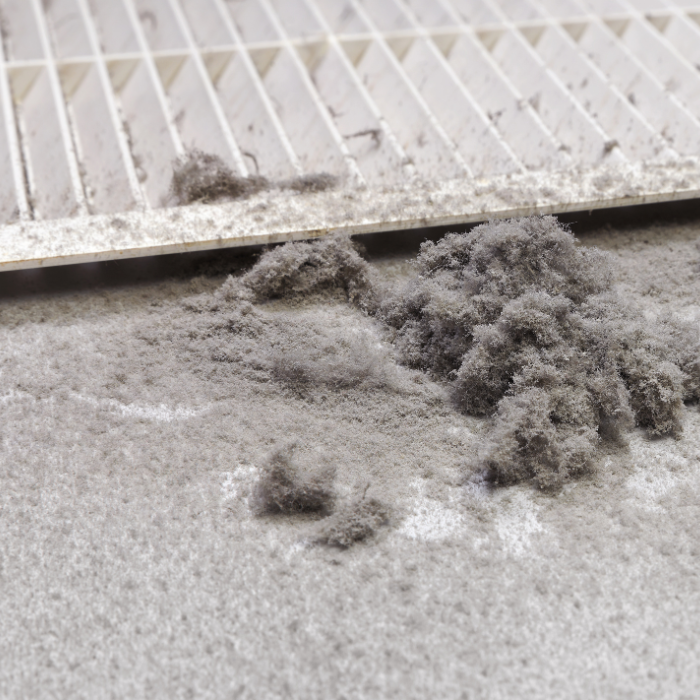
If you pull off a vent cover and see a thick layer of gray buildup inside, your system is overdue.
Why October Is the Right Time
Cleaning your ducts before heating season starts means your furnace begins the winter pushing clean air instead of a summer's worth of debris. It also gives your system an easier job. Clogged returns and dirty components make your HVAC equipment work harder, and a Maine winter already asks a lot of it.
Scheduling is easier in October too. Once the cold really sets in, a lot of homeowners start noticing the same smells and dust at the same time, and appointments fill up.
A Quick Note for Maine Homes
Plenty of Maine homes heat with hot water baseboard or radiators, which don't use ductwork. Air duct cleaning applies if you have a forced hot air furnace, central air, or a ducted heat pump system. Not sure what you have? Give us a call and we'll help you figure it out.
Easy Things You Can Do Now
Before the heat comes on, swap out your furnace filter for a fresh one and keep an eye on it through the winter. Vacuum around vent covers and returns, and make sure furniture, rugs, and curtains aren't blocking them. While you're getting the house ready for winter, it's also a good time to have your dryer vent cleaned, since lint buildup is a fire risk and winter is when dryers run the most.
Air Duct Cleaning From a Local Maine Team
Since 2020, Rick and the Upfront Home Inspection team have served more than 1,100 Maine clients, and air duct cleaning is one of our most requested services. We clean your system thoroughly and walk you through what we found, so you can head into winter knowing your home's air is as clean as it should be.
Get your ducts cleaned before the heat is on for the season. Call (207) 619-0868 or email rick@upfronthome.me to schedule air duct cleaning in New Gloucester, Gray, Auburn, Waterville, and surrounding areas.
You might also like