The Hidden Fire Hazard in Your Laundry Room: How Often Should You Really Clean Your Dryer Vent?
This is a subtitle for your new post
The Hidden Fire Hazard in Your Laundry Room: How Often Should You Really Clean Your Dryer Vent?
Published by Upfront Home Inspection | New Gloucester, Maine
Most Maine homeowners are careful about fire safety. They test smoke detectors, keep fireplaces cleaned, and clear leaves from gutters before the snow hits. But one of the most common household fire hazards hides quietly behind the dryer — and most people never think about it until something goes wrong.
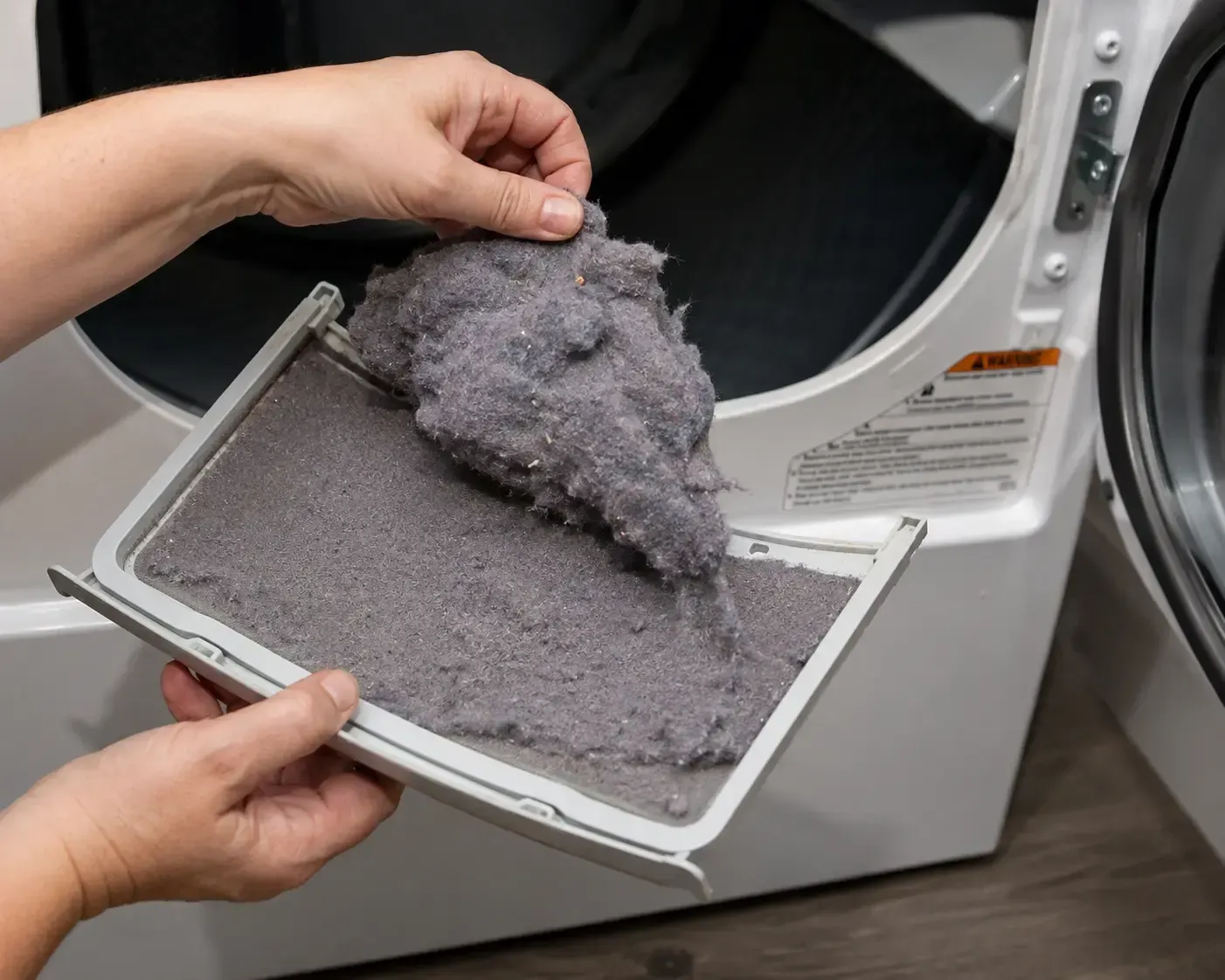
Lint. It seems harmless. But inside a dryer vent, it's one of the most flammable materials in your home.
The Numbers Are Hard to Ignore
According to the National Fire Protection Association (NFPA), fire departments respond to an average of 15,970 home structure fires involving clothes dryers every year — and 92% of those fires are attributed to dryers specifically. The leading cause? Failure to clean.
That's not a fringe risk. That's thousands of preventable fires happening across the country annually because lint quietly built up where no one could see it.
The good news: dryer vent fires are almost entirely preventable with routine cleaning. The bad news: most homeowners don't know when — or how often — they need to do it.
Why Your Lint Trap Isn't Enough
Here's a common misconception: cleaning the lint screen after every load is all you need to do. It's a great habit, but it's only part of the picture.
Your lint screen catches a portion of the lint produced during a drying cycle. But a significant amount bypasses the screen and travels into the vent duct — the tube that runs from the back of your dryer through the wall to the outside of your home. Over time, lint coats the inside of that duct, restricting airflow and building up into a material that can ignite from the heat of the dryer itself.
When lint ignites inside a vent that runs through your walls, the fire spreads fast and out of sight. These are among the most dangerous home fires to detect early.
So How Often Should You Clean It?
The honest answer: it depends. But here's a practical guide.
Once a year is the standard recommendation for most households with regular use — and it's what the National Air Duct Cleaners Association (NADCA) recommends as a minimum. Many dryer manufacturers now require annual cleaning to honor warranty claims.
Every 6 months is the right call if you:
- Have a large household doing multiple loads per week
- Frequently dry heavy fabrics like towels, blankets, or fleece
- Have pets (pet hair mixes with lint and creates faster, denser blockages)
- Have a long vent run — common in older Maine homes where the laundry is far from an exterior wall
Every 1–3 years may be appropriate for smaller households with light use, though even infrequent users should have a professional assessment to determine the right schedule.
Right away — regardless of when you last had it cleaned — if you notice any of these warning signs:
- Clothes take longer than one cycle to fully dry
- The dryer runs hot or the laundry room feels unusually warm
- You smell something burning while the dryer is running
- There's visible lint around the exterior vent opening
- Your dryer shuts off mid-cycle due to overheating
Maine Homes Have a Specific Challenge: Duct Length
In many Maine homes — especially older farmhouses, cape-style homes, and two-story colonials — the laundry room isn't on an exterior wall. That means the vent duct runs a long distance before reaching the outside, sometimes with multiple bends and turns along the way.
Longer duct runs accumulate lint faster and are harder to fully clear. A vent with several elbows can restrict airflow significantly even before a dangerous blockage forms. If you're not sure how long your vent run is or how many turns it takes, a professional cleaning includes an assessment of your system — not just a pass with a brush.
It's also worth noting that flexible foil or plastic ductwork — still found in some older Maine homes — is more prone to sagging and kinking than rigid metal duct, creating low spots where lint collects. If your dryer is still connected with plastic flex hose, that's worth addressing when you schedule a cleaning.
What Professional Cleaning Actually Involves
There's a difference between running a brush into the vent from the outside and a thorough professional cleaning. A proper job includes:
- Cleaning from the dryer connection point, not just the exterior
- Accessing and clearing the interior of the dryer itself, where lint accumulates around the motor and drum
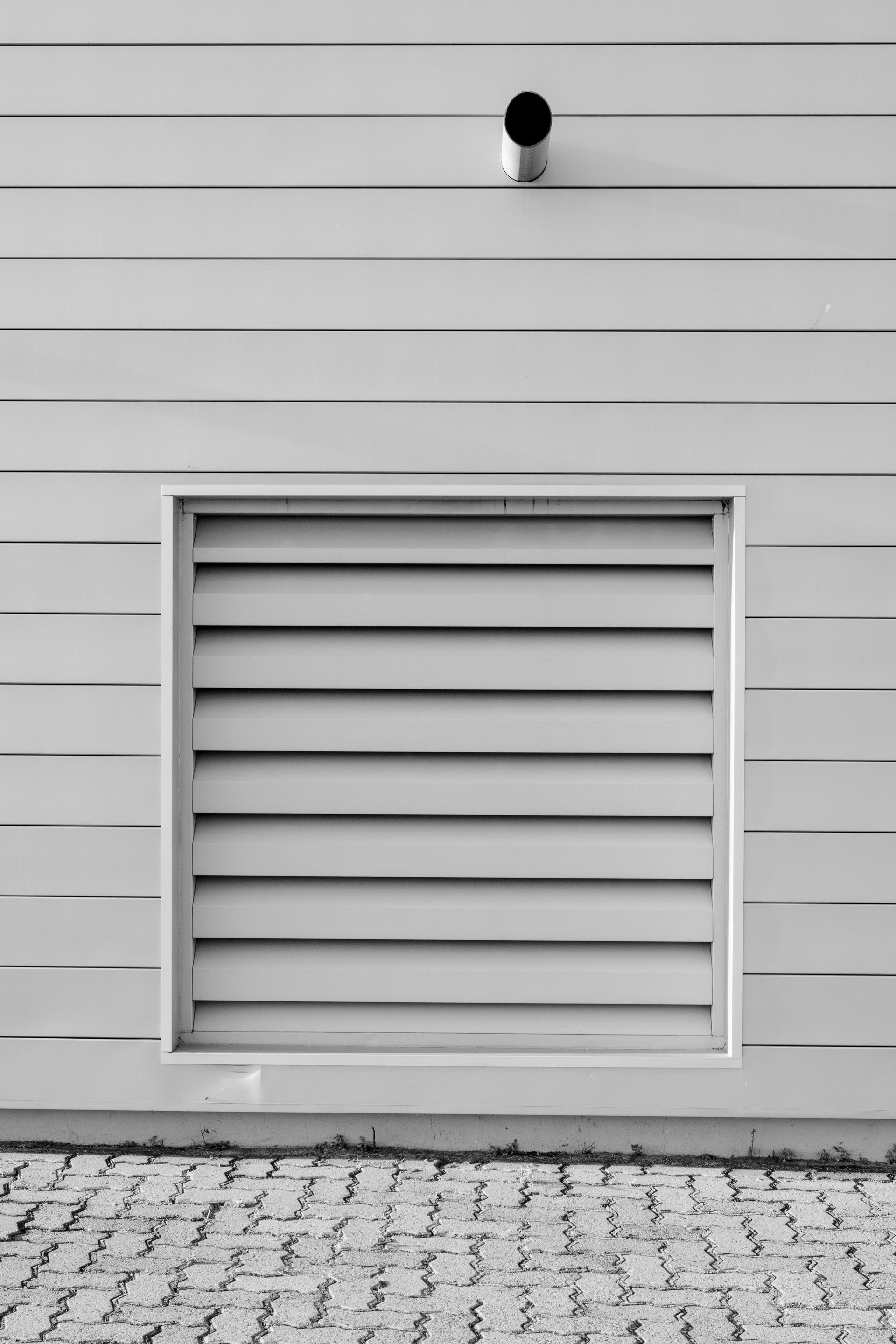
- Checking and cleaning the exterior vent hood and damper
- Measuring airflow before and after to confirm the system is moving air properly
- Identifying any damage, disconnected sections, or code violations in the ductwork
DIY brush kits from the hardware store can help slightly between professional cleanings, but they rarely reach the full length of the duct or remove tightly packed lint. They also can't tell you if a section of duct has sagged, disconnected, or developed a kink behind your wall.
Beyond Fire: The Other Costs of a Clogged Vent
A blocked dryer vent doesn't just increase fire risk — it hits your wallet too.
A dryer working against a clogged vent uses significantly more energy to do the same job, which means higher electricity or gas bills every month. It also runs hotter and longer, wearing out heating elements, belts, and motors faster than normal use would.
And there's one more risk worth mentioning: carbon monoxide. Gas dryers vent combustion gases through the same duct as the moist air and lint. A clogged or disconnected dryer vent on a gas dryer can push carbon monoxide back into your home.
A Simple Maintenance Task That Protects Everything
At Upfront Home Inspection, dryer vent cleaning is one of those services that feels minor until it isn't. We've seen laundry rooms where the vent hasn't been professionally cleaned in years — and the amount of lint inside would surprise most homeowners.
Annual cleaning is inexpensive compared to the cost of a dryer repair, the hassle of replacing clothes damaged by excessive heat, or — worst of all — a house fire that starts in the middle of the night while a load is drying.
If you can't remember the last time your dryer vent was professionally cleaned, that's your answer.
Ready to schedule? Contact Upfront Home Inspection for dryer vent cleaning in Maine.
Upfront Home Inspection serves New Gloucester, Auburn, Gray, Waterville, and surrounding areas throughout Maine. We offer dryer vent cleaning, air duct cleaning, home inspections, radon testing, mold testing, and more.
You might also like